What Is Tetrahexyldecyl Ascorbate?
Tetrahexyldecyl Ascorbate (THDA) is a highly stable, oil-soluble ester of Vitamin C at ≥98% purity, engineered to overcome the core limitations of conventional L-Ascorbic Acid in cosmetic formulations. With the INCI name Tetrahexyldecyl Ascorbate and CAS number 183476-82-6, it is formed by esterifying ascorbic acid with 2-hexyldecanol, yielding a clear, pale yellow oil that integrates effortlessly into oil phases, anhydrous formulations, and emulsions. Molecular formula: C₂₆H₅₂O₅; MW: 444.69 g/mol.
For those new to actives, THDA is the premium answer to the instability problem of traditional Vitamin C. Conventional L-Ascorbic Acid oxidises quickly, turns yellow or orange, and can irritate sensitive skin at the low pH it requires. THDA is none of those things — it’s stable, elegant in texture, non-irritating, and compatible with a wide pH range. It brightens skin, fights free radicals, and supports a firmer complexion, all from the oil phase of your formula.
At the expert level, THDA’s lipophilic character gives it a significant penetration advantage over water-soluble Vitamin C derivatives. Its logP value favours partitioning into the stratum corneum’s lipid-rich matrix, enabling superior transdermal delivery of bioavailable Vitamin C. Once absorbed, intracellular esterases convert THDA to free L-Ascorbic Acid, which then acts as a cofactor in prolyl and lysyl hydroxylase enzymes for collagen biosynthesis, directly scavenges ROS, and inhibits tyrosinase to suppress melanin production. Unlike L-AA, THDA is pH-independent — effective across pH 4.0–8.0 — and does not require an acidic vehicle, making it ideal for peptide-compatible formulations.
Key Benefits
-
Superior Skin Penetration — Lipophilic ester penetrates the stratum corneum’s lipid barrier more effectively than water-soluble Vitamin C forms
-
Oxidatively Stable — Highly resistant to oxidation; no yellowing or degradation issues in formulation
-
Brightening & Tone Correction — Inhibits tyrosinase to reduce melanogenesis and fade hyperpigmentation
-
Collagen Stimulation — Enzymatically converted to L-Ascorbic Acid in-skin, activating collagen biosynthesis pathways
-
Potent Antioxidant — Scavenges ROS to protect skin from UV and environmental oxidative damage
-
pH-Independent — Effective across pH 4.0–8.0; fully compatible with peptides, retinoids, and AHAs in the same formula
Applications
- Brightening face oils and anhydrous serums
- Anti-aging and vitamin C emulsions
- Oil-phase vitamin C moisturizers and day creams
- Dark spot and hyperpigmentation treatments
- Retinoid-compatible repair formulations
- Sunscreen boosters and photoprotective formulas
Formulation Details
| Property |
Detail |
| INCI Name |
Tetrahexyldecyl Ascorbate |
| CAS Number |
183476-82-6 |
| Molecular Formula |
C₂₆H₅₂O₅ |
| Molecular Weight |
444.69 g/mol |
| Purity |
≥98% |
| Appearance |
Clear to pale yellow oil |
| Solubility |
Oil-soluble; dispersible in oils and emollients |
| Recommended Use Level |
0.5–3.0% |
| Incorporation Phase |
Oil phase |
| Processing Temperature |
Add at ≤60°C; stable to moderate heat |
| pH Stability |
Effective across pH 4.0–8.0 |
| Grade |
Cosmetic |
| Origin |
Synthetic |
| Country of Origin |
China |
How to Formulate With Tetrahexyldecyl Ascorbate
Beginner tip: THDA is one of the easiest Vitamin C actives to work with — it’s a clear oil that simply blends into your oil phase with no pH adjustment or special handling required. Start at 1.0–2.0% in a face oil or moisturiser for a brightening and antioxidant boost. It doesn’t irritate or sting, making it ideal for sensitive skin formulas too.
Expert notes:
-
Phase: Oil phase; add to carrier oils or emollients and blend before emulsification
-
Usage Rate: 0.5–3.0%; 1.0–2.0% is optimal for most leave-on formulas; up to 3.0% for targeted brightening treatments
-
Synergies: Excellent with Ferulic Acid (antioxidant synergy + stabilisation), Vitamin E (classic CE+F trio), Bakuchiol or HPR (retinoid-alternative anti-aging combos), Alpha-Arbutin (melanin inhibition cascade), and Squalane as a carrier
-
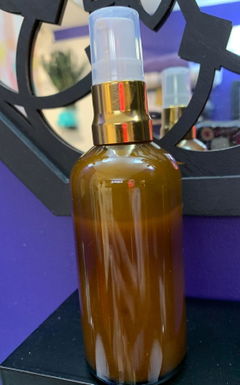
Stability: Stable at moderate heat; protect from prolonged UV exposure in packaging — use opaque or amber containers
-
Preservation: For anhydrous formulas, antioxidants (Vitamin E, Ferulic Acid) are sufficient; aqueous emulsions require a broad-spectrum preservative — we recommend Geogard ECT at 0.5–1.0%
Pairings — Build a Better Formula
-
Ferulic Acid Powder — Synergistic antioxidant that doubles the photoprotective efficacy of Vitamin C and aids stability in oil-phase formulas
-
Vitamin E Oil — The classic CE+F trio partner; enhances antioxidant cascade and conditions skin while stabilising THDA
-
Alpha-Arbutin Powder — Water-phase tyrosinase inhibitor that complements THDA’s oil-phase melanin suppression for full-spectrum brightening
-
Bakuchiol Oil 98% — Natural retinol alternative that pairs with THDA in oil-phase formulas for brightening + anti-aging synergy without irritation
-
Hydroxypinacolone Retinoate (HPR) 10% — Oil-compatible retinoid that teams with THDA for a premium pro-aging and pigmentation treatment
-
Olive Squalane Oil — Ideal carrier oil for dissolving and delivering THDA in lightweight, non-greasy face oils and serums
Suggested Formula
A luxurious oil-phase vitamin C brightening serum combining THDA’s superior skin penetration with Ferulic Acid, Vitamin E, and Squalane for antioxidant protection, tone correction, and anti-aging action.
Method: Warm squalane gently to ≤40°C. Pre-dissolve ferulic acid powder in a small portion of warm squalane first with stirring until clear. Add THDA, Vitamin E Oil, and Bakuchiol Oil and blend thoroughly until uniform. Allow to cool to room temperature. Fill into opaque or amber dropper bottle.
Target pH: N/A (anhydrous formula)
Recommended use: Apply 3–4 drops to cleansed skin morning and/or evening. Follow with SPF during daytime use.
Storage & Shelf Life
- Store in a cool, dark place away from direct sunlight, heat, and UV exposure
- Keep container tightly sealed when not in use to prevent oxidation
- Use opaque or amber packaging to protect from light degradation
- Shelf life: 24 months unopened from date of manufacture
- MFG: JUL 2026 | EXP: JUL 2028
Safety & Handling
- For external use only — not for internal consumption
- Avoid contact with eyes; if contact occurs, rinse thoroughly with water
- Conduct a patch test before use in finished formulations
- Keep out of reach of children
- Refer to the Safety Data Sheet (SDS) for full handling and safety information: SDS